4 Ways to Improve Your Filmmaking
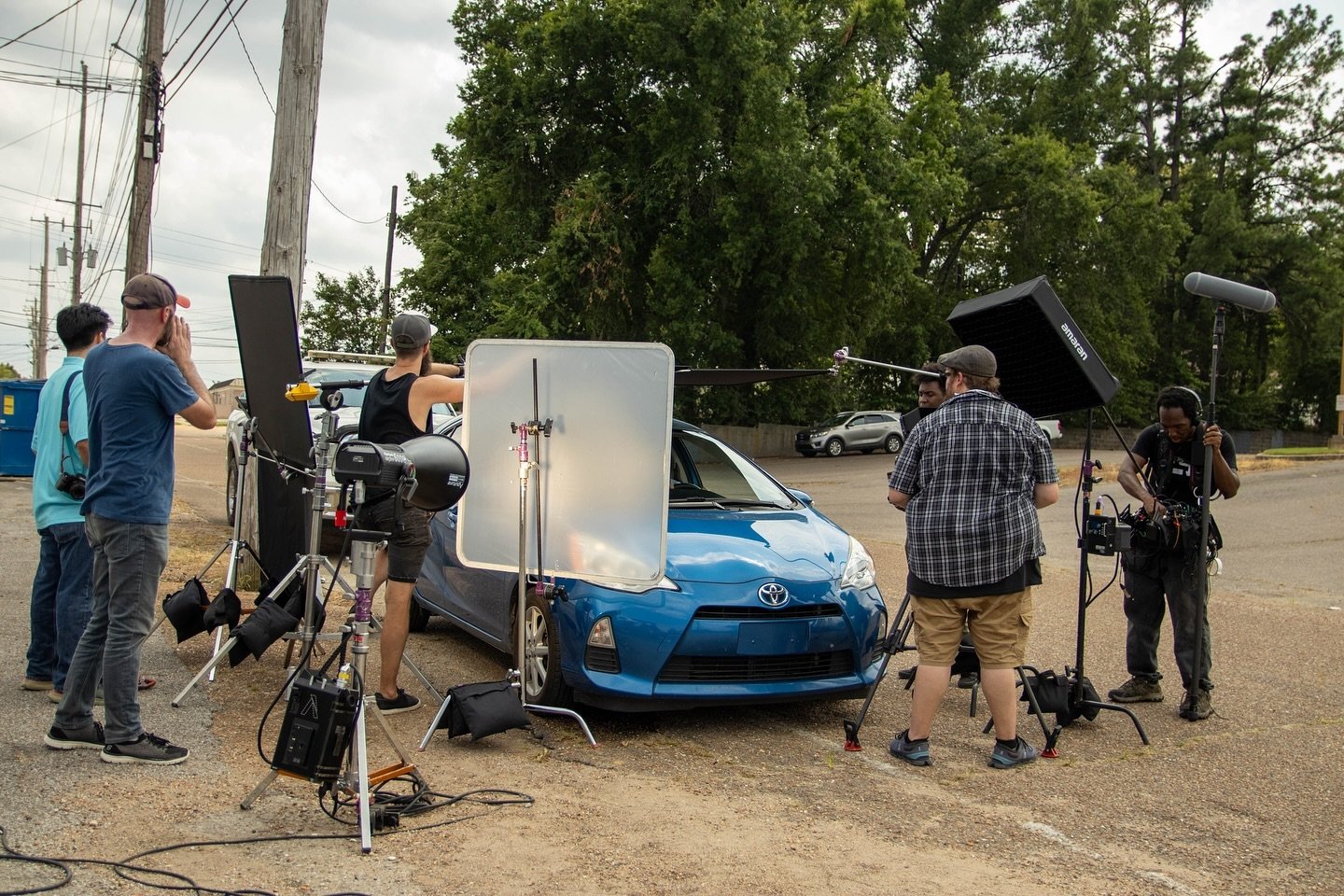
On set for my short film That’s My House
I’m always seeking out ways to improve my work. I’ve been thinking about the helpful YouTube videos I’ve been watching lately on how to make my films better and I’ve also been thinking about the films I’ve been watching. I’ve come across some great interviews, essays, posts, etc. on the process of filmmaking and they’ve all been incredibly inspiring. So here are four things to try if you want to improve your work and make your films even better.
1. Overusing Shallow Depth of Field
Ever since the DSLR revolution, low-budget indie filmmakers have been obsessed with bokeh. And I get it. I too came from the old 1/3” CCD chip cameras when shallow depth-of-field was very difficult to achieve. But it can be overused, especially when shallow depth-of-field doesn’t serve the story. But if the technique does make sense for the film, it can be very powerful.
Shooting everything at f1.2 when actors are constantly falling in and out of focus doesn’t work for every story. So don’t be afraid to stop down and let the viewers see the world that your characters inhabit. Environment can be just as important as the characters themselves (Think Jaws or No Country For Old Men). In fact, many of the greatest directors constantly use a deeper depth of field.
2. Lighting for Coverage, Not for the Moment
To save time and allow for multiple camera angles (coverage), filmmakers will sometimes flood a scene with soft, overhead light. This is great for the schedule but results in a flatter look where everything is visible, but nothing has shape.
The Fix: Light for the specific angle. If you move the camera, move the lights. Embrace negative fill to create contrast.
3. Camera Movement Without Motivation
Gimbals and drones have made camera movement easy but easy can become aimless without intention and forethought. Constant, floaty movement that doesn't follow the emotional beat, or have a clear beginning, middle, and end.
The Fix: Make sure any camera movement is motivated. Don’t move the camera just to move the camera. Know exactly where the camera starts and stops, and why.
For inspiration, look at this sequence from The Fabelman’s. The camera moves, but with deliberate intention, constantly reframing the shot into a variety of compositions that make perfect sense for the characters in the scene.
4. Coverage porn
Memory cards and cheap hard drive space make it easy to shoot a ton of coverage and then find the scene in the edit. This can be (but not always) the sign of insecure directors; filmmakers who aren’t sure exactly what they want (or need) and so just play it safe by shooting everything. This leads to wasted time, bloated schedules, and a cast/crew who can grow impatient and ultimately lose morale.
The Fix: Be disciplined in your pre-production work. Look to other filmmakers you admire. Use tools like Shot Deck to help you visualize camera placement, lens choice, and framing. Make your choices ahead of time. Be confident. Know what you want. Sure, things will change when you get to set. Unforeseen obstacles will pop up, but if you’ve done your prep work and understand the purpose of the scene and what the story needs, you will find a work-around.
Final Thought: Choose Intentionality
Whether if it’s your f-stop, lighting setups, camera movements, or camera placements, be intentional about what you’re doing. Whenever I’m blocking a scene, I always think about that one potential question I might be asked months down the road, “Why did you shoot it like that?” And I want to have a good answer. Not a pretentious “auteur” answer, but an answer that shows I was always thinking about the story and how to make the best film possible.