Why You Keep Coming Back
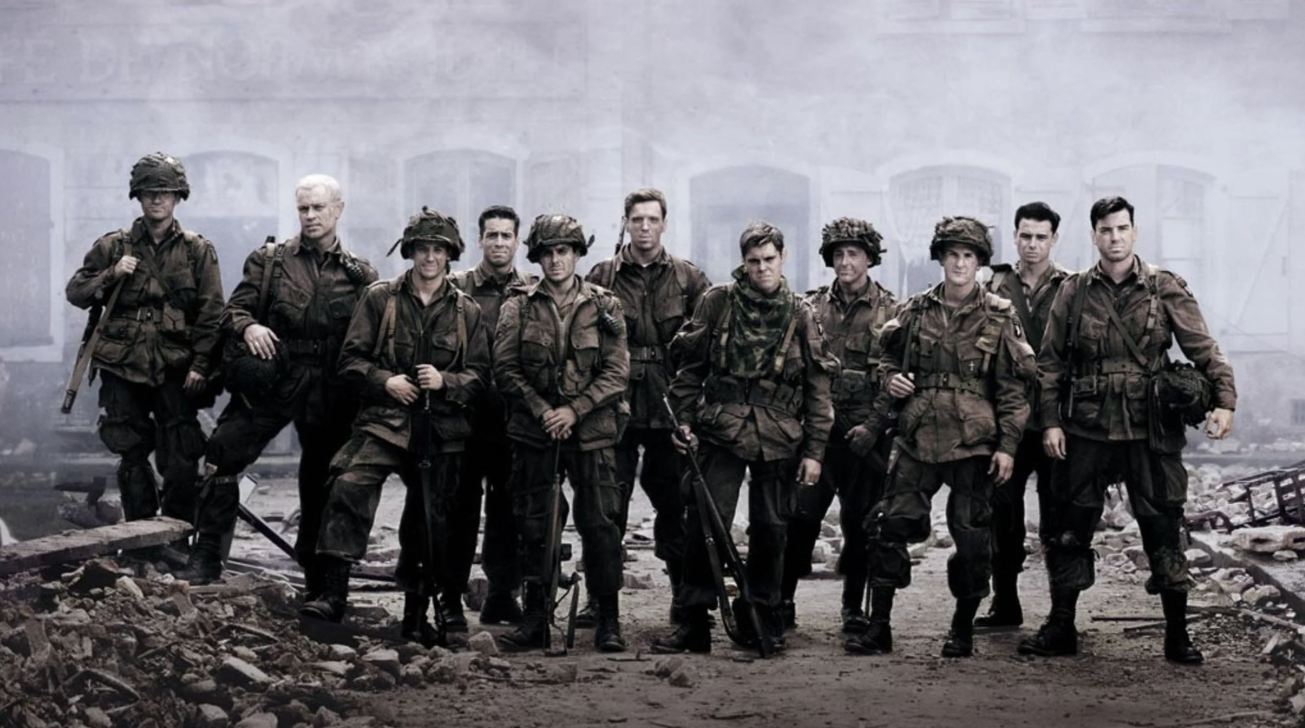
What makes a TV series re-watchable?
I was thinking about this as I reflected on just how good Band of Brothers is. An HBO miniseries that aired in 2001, Band of Brothers follows characters from the 101st Airborne Division during World War II. Not only is it one of the best series I’ve seen, it continues to be a series that you can watch repeatedly and enjoy just as much as when you first saw it. There is something about that specific series that makes it endlessly rewatchable, even decades after its release.
But what actually creates rewatchability?
Is it the massive budget?
The explosions?
No. It’s the intentionality behind the craft. In a world of “disposable content” designed to be scrolled past in seconds, there is a massive opportunity for filmmakers and brand storytellers to learn how to build something that people want to see again.
Whether you are filming a historical epic or a three-minute corporate brand story, the principles of emotional depth remain the same. Here is how you can apply the “Epic” standard to your next project.
The Rhythm of the Edit: Pacing for Tension
One of the reasons Band of Brothers remains a staple is its editing rhythm. It understands when to be kinetic and when to be still. Rewatchability is born in the moments where the audience is allowed to breathe and process the stakes.
The Technique: Instead of cutting for speed, cut for impact.
The Application: Don’t feel the need to fill every second with a new cut. Don’t be afraid to let a shot linger.
The Anchor of Character Arcs over Spectacle
We don’t rewatch Band of Brothers for the pyrotechnics; we rewatch it for Richard Winters and the men of Easy Company. We return to stories where we see a version of ourselves—or the person we want to be—reflected on screen.
The Technique: Focus on the "Internal Goal" vs. the "External Goal." The external goal is winning the war; the internal goal is keeping the man next to you alive.
The Example: Look at Succession. The "spectacle" is a billion-dollar merger, but the reason we rewatch is the desperate, broken need for a father’s approval.
The Application: If you’re producing a corporate video, stop focusing on the "features" of the product. Focus on the "transformation" of the person using it. People don’t buy products; they buy a better version of themselves.
Conflict as the Catalyst for Emotional Depth
The most powerful stories are the ones that capture a genuine human struggle. Without conflict, there is no resolution, and without resolution, there is no emotional payoff.
The Technique: Use "Visual Subtext" to show conflict. You don’t need dialogue to tell the audience that things are falling apart.
The Example: In the "Bastogne" episode of Band of Brothers, the visual storytelling of the freezing, isolated medic tells you everything you need to know about the hopelessness of the situation without a single word of exposition.
The Application: When filming a testimonial, don’t just ask your subject about their success. Ask them about the day they almost quit. That vulnerability creates the "hook" that makes a video memorable.
Building a “Mini-Series” Mindset for Brands
The reason we feel so connected to long-form series is the cumulative power of small moments. For creators and marketers, this means shifting from "one-off" videos to a "series" mindset.
Consistent Visual Language: Use the same style and tone across your video series to create a recognizable world.
Recurring Motifs: Just as Band of Brothers uses the recurring theme of "Currahee," find a visual or auditory motif for your brand that rewards repeat viewers.
The "Slow Burn": Don’t give everything away in the first thirty seconds. Build a narrative that requires the viewer to lean in and get excited about future installments.
Making it Matter
Rewatchability means you’ve created something that transcended the "noise" of the internet and actually meant something to the person on the other side of the screen.
Stop trying to go "viral" for fifteen minutes. Start trying to build something that someone will still want to watch five years from now. Focus on the rhythm, the character, and the quiet moments—because those are the moments that people remember.