Cinematography Isn’t About Your Gear
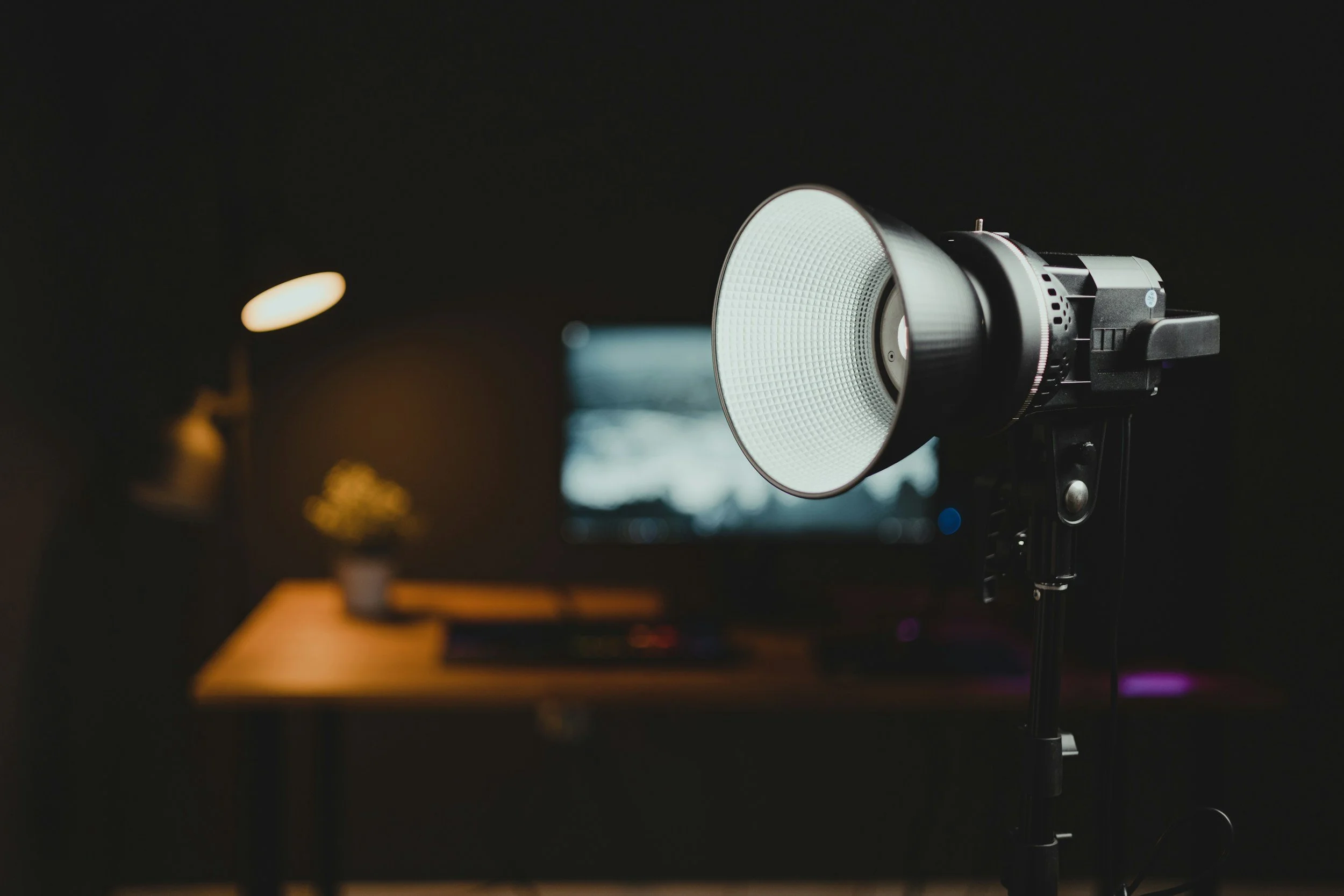
Image courtesy of @jrpischke via Unsplash
In the world of professional video, we often talk about exposure in terms of technical “correctness.” We look at our waveforms and histograms to ensure nothing is clipping and everything is visible. But if your only goal is visibility, you aren’t really lighting; you’re just ensuring that everything is exposed properly.
The craft of lighting is different. Spend any time on Reddit, X, Substack, or YouTube and you’ll inevitably find filmmakers lamenting about the current state of cinematography. Viewers will point out how everything is more neutral; how it all feels so flat; how it all looks the same. So there is a massive opportunity right now for independent creators to stand out by embracing high-contrast, intentional storytelling.
The Problem with the Flat Look
First, it makes your work look very similar to a lot of modern-day film and TV shows. Second, think about how contrast in an image can help you, as a filmmaker, draw a viewer’s eye to that which you want him or her to see. South Korean filmmaker, Bong Joon-Ho has been quoted as saying, “What a film director really directs is the audience's attention.”
Second, when you remove shadows and shoot everything flat, you remove depth. When you remove depth, you lose some texture and some three-dimensionality of your composition. So, don’t be afraid to crush those shadows.
Directional Lighting: The Beauty of the “Off-Center” Source
To build an emotional scene, you have to move your light off the camera axis. Directional lighting creates “modeling”on the face, which provides the three-dimensional shape our eyes crave.
The Technique: Instead of a front-facing key light, try Rembrandt Lighting. By placing your key light 45 degrees to the side and slightly above the subject, you create a small triangle of light on the cheek opposite the source.
The Emotional Impact: This creates a sense of mystery and gravity. It’s a staple in prestige dramas because it makes the human face look like a landscape of emotion rather than a flat surface.
Film Example: Watch the close-ups in The Godfather (Lensed by Gordon Willis). Willis was famously dubbed the “Prince of Darkness” because he wasn't afraid to let eyes fall into shadow to emphasize the moral ambiguity of the Corleone family.

An example of Rembrandt Lighting. Notice the small triangle of light under the subject’s left eye. Image courtesy of @duytung_tran via Unsplash
Composition as Subtext: Depth of Field and Framing
Once your lighting is set, your composition dictates the closeness the audience feels toward the subject. We often think of depth of field as just “making the background blurry,” but remember what Bong Joon-Ho said. it’s actually about directing the viewer’s attention.
The Shallow Depth Choice: Using a wide aperture (like f/1.8 or f/2.8) isolates a subject from the background. It tells the audience, “Nothing else matters but this person’s reaction.”
Film Example: In Arrival (Lensed by Bradford Young), the shallow depth of field is used to create an intimate, almost dreamlike connection between the protagonist and her memories. It feels personal because we are visually cut off from the rest of the world.
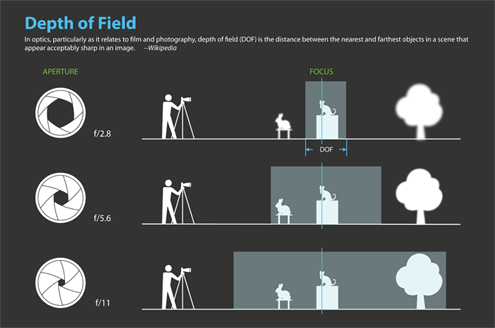
Aperture diagram from Filmmakers Academy
Shadow Play on a Budget: Updating Your Kit
You don’t need a massive Arri rental house to achieve these looks. In fact, some of the most emotional lighting comes from subtraction, not addition.
Embrace Negative Fill: Black foam core or a "floppy" is your best friend. Use it on the side of the subject away from the light to soak up reflections and deepen your shadows.
Motivate Your Sources: If there is a window in the shot, your light should come from that direction. If there is a desk lamp, the light on the actor’s face should match that color temperature (and also the position of the desk lamp in relation to your talent). This motivated lighting creates a sense of authenticity that audiences trust instinctively.
The LED Advantage: Modern LED panels (like the Aputure LS 600d or even smaller Amaran units) allow for incredible dimming control without changing color temperature. Use them to create subtle rim lights that separate your subject from the background, adding depth.
Lighting the Feeling, Not the Room
The next time you’re setting up a shot, turn off all the lights in the room first. Start from total darkness. Add one light at a time and ask yourself, “Does this make me feel the way the script intended? Does this fit with what the director envisions”
Great cinematography isn't about the gear you own; it's about the intentionality of where you place your shadows.